Rosemary is described as a woody, perennial herb that can become a bushy shrub. The leaves are evergreen and needlelike in shape, and they produce the essential oil that gives rosemary its characteristic scent. They are dark green on the upper side, and the underside has a dense covering of short, white, woolly hairs. Medicinal Uses: Beyond its culinary applications, rosemary has a rich history in traditional medicine. The herb is believed to possess various medicinal properties, contributing to its use in herbal remedies and alternative therapies. Rosemary contains essential oils, including cineole, camphor, and borneol, which contribute to its therapeutic effects. Memory Enhancement: In folklore and traditional medicine, rosemary has been associated with memory enhancement. The aroma of rosemary is believed to stimulate cognitive function and improve concentration. Inhaling the scent or using rosemary essential oil in aromatherapy is thought to have positive effects on mental clarity. Antioxidant Properties: Rosemary is recognized for its antioxidant properties, attributed to compounds like rosmarinic acid and carnosol. These antioxidants may help neutralize free radicals in the body, potentially reducing oxidative stress and inflammation. Digestive Health: The consumption of rosemary has been linked to digestive benefits. It is thought to aid in digestion by stimulating the production of digestive enzymes, easing indigestion and promoting overall gastrointestinal health. Anti-Inflammatory Effects: Some studies suggest that rosemary may have anti-inflammatory effects, making it potentially beneficial for conditions involving inflammation. However, more research is needed to fully understand and confirm these effects. Topical Applications: Rosemary essential oil is commonly used topically for its potential benefits. It is included in various skincare products for its antimicrobial properties and is believed to promote healthy skin and scalp.

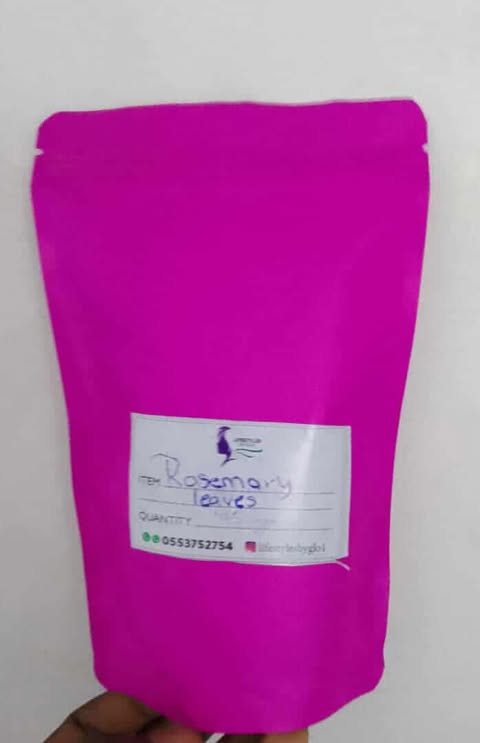
 Rosemary Leaves 75gm
₵30.00




Reviews
There are no reviews yet.